GENERAL CHARACTERISTICS OF PTERIDOPHYTA
Pteridophytes are the primitive land vascular cryptogamic (seedless) plants. Cryptogams include all those plants which reproduce by means of spores and never produce seeds. Cryptogams include Algae, Fungi, Bryophytes and Pteridophytes.
Cryptogams appeared in the Silurian period of the Paleozoic era (425 million years ago) and constituted dominant vegetation on the earth during Devonian period (360 million years ago).
The Pteridophytes are called as vascular cryptogams because they possess the lignified vascular tissue and reproduce by spores instead of seeds. They are the most primitive living and fossil vascular plants.
Habitat
Pteridophytes grow in a variety of habitats mostly grows well in abundant moisture and shades. A few are aquatic e.g. Marselia, Pilularia, Azolla, Salvinia etc., epiphytic forms e.g. Lycopodium phlegmaria, Asplenium sp. etc are abundant in tropical rain forest.
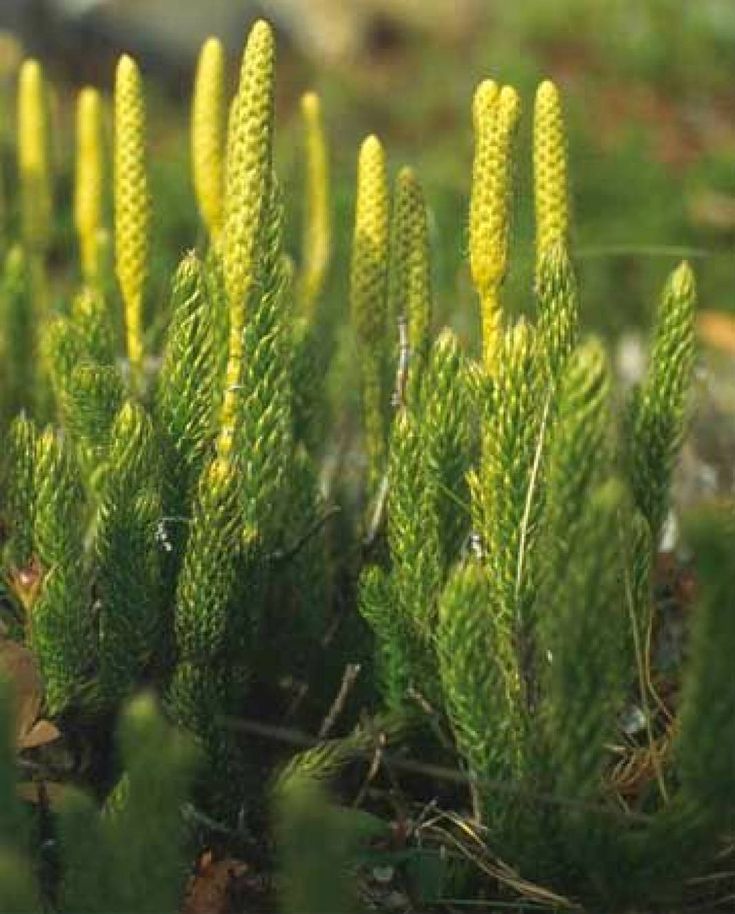
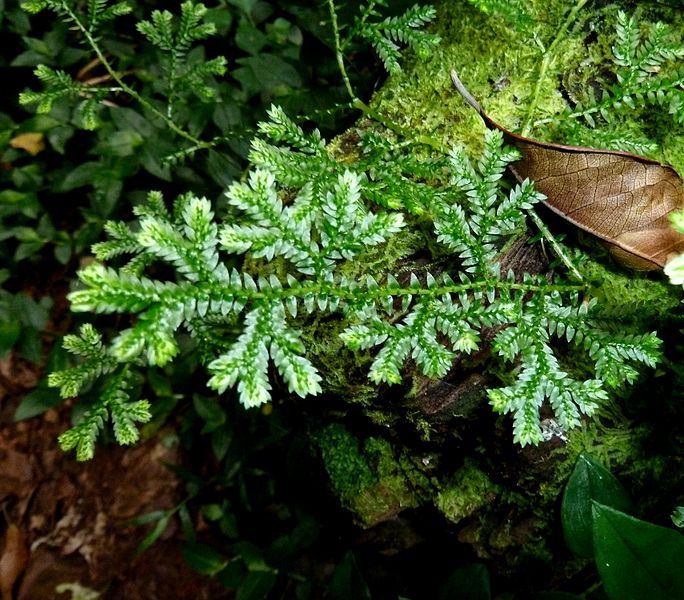
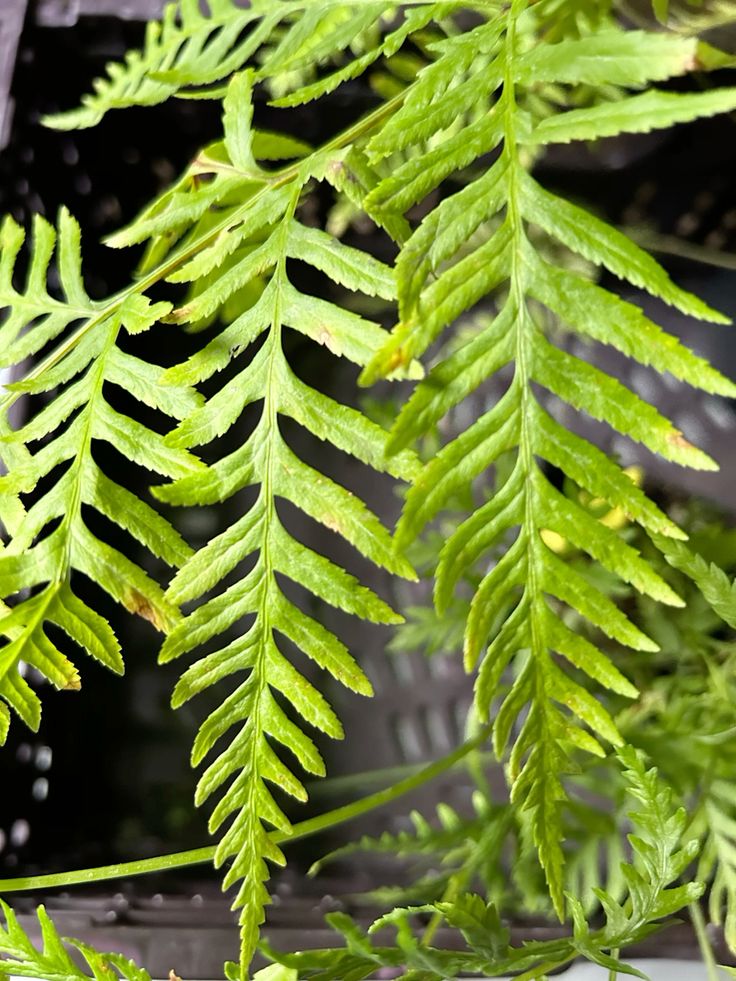
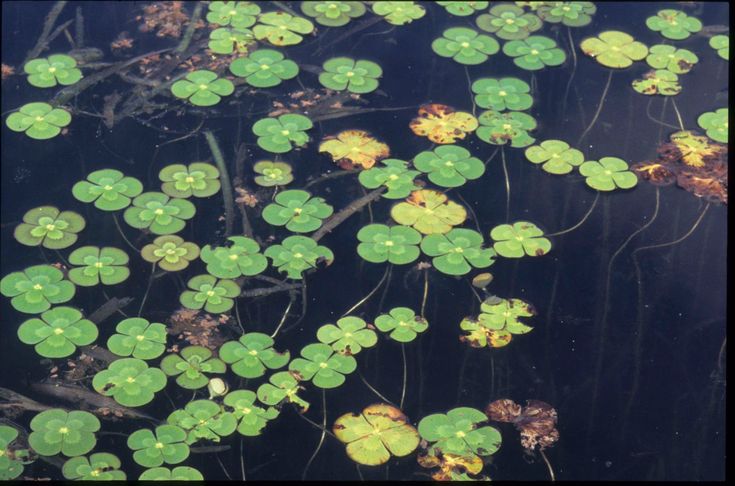
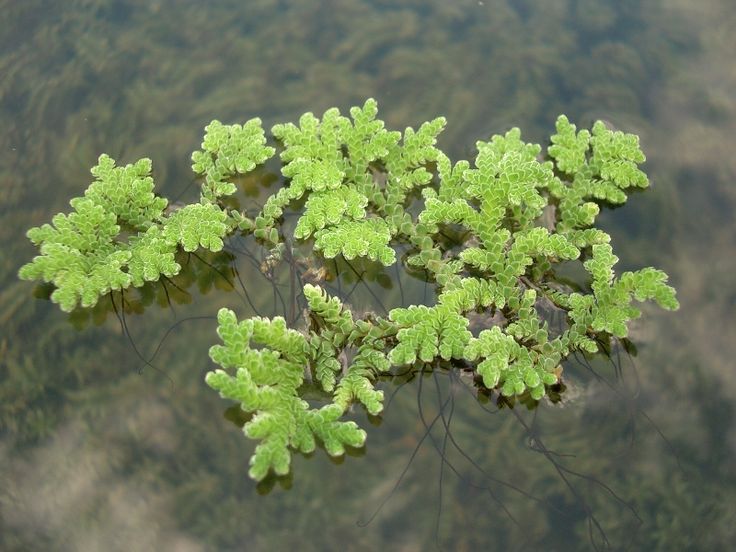
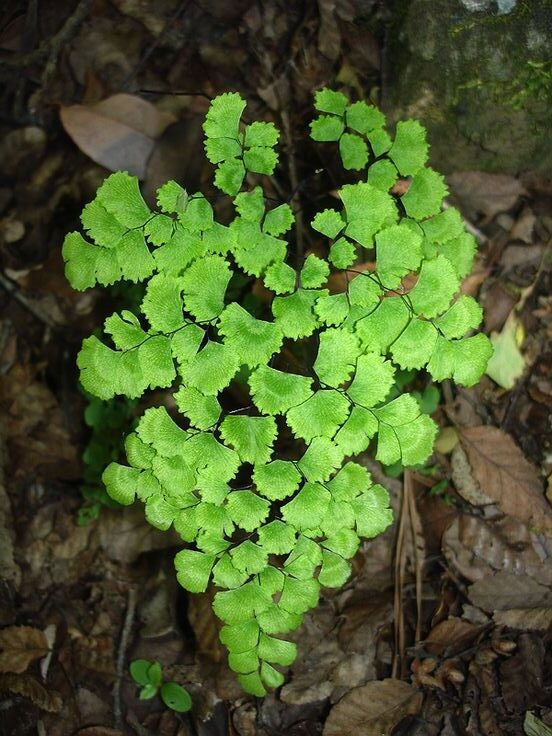
Figure : 1. Some common genera
Sporophytic Plant Body
The plant body is sporophyte and differentiated into root, stem and leaves. Some primitive forms lack true roots or leaves e.g. Rhynia, Cooksonia, Psilotum etc. (Note: Rhynia and Cooksonia are extinct, and Psilotum is extant)
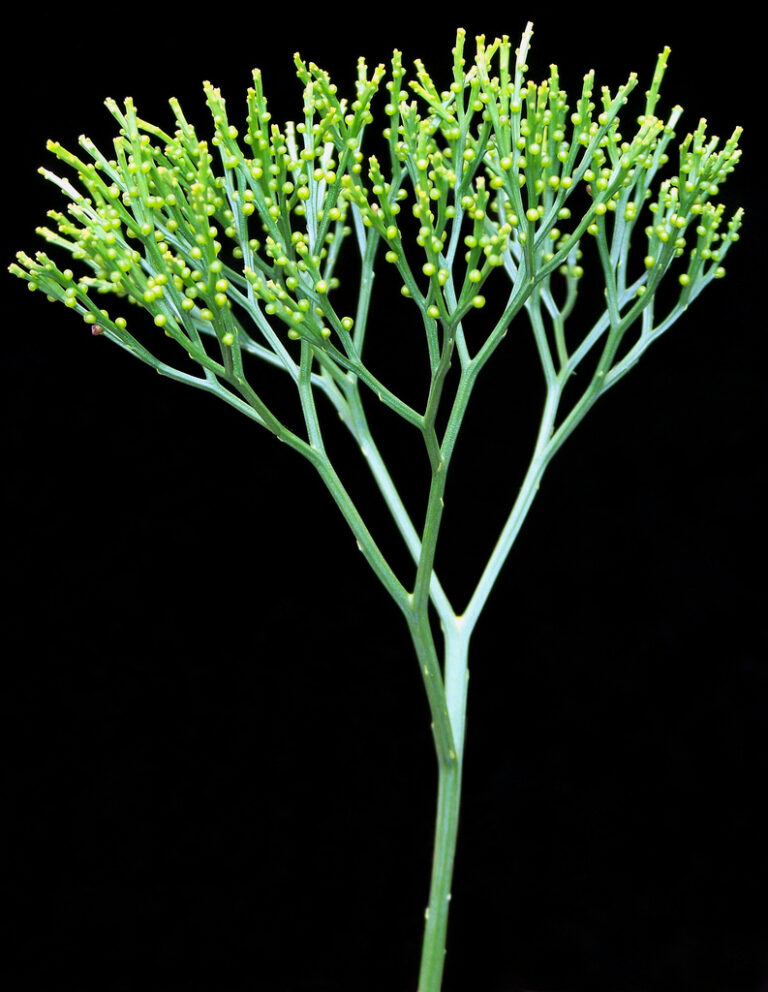
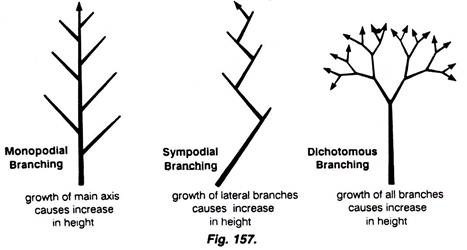
- Stem is branched either dichotomous or monopodial.
- Leaves may be simple, small and sessile (Lycopodium, Selaginella) or scaly (Equisetum) or compound, large and petiolate (Pteris, Marattia).
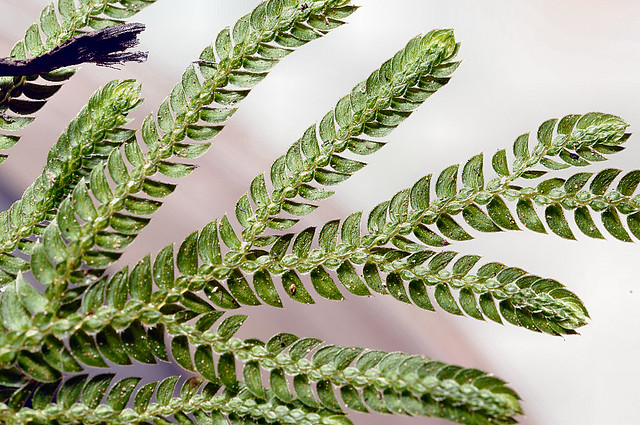
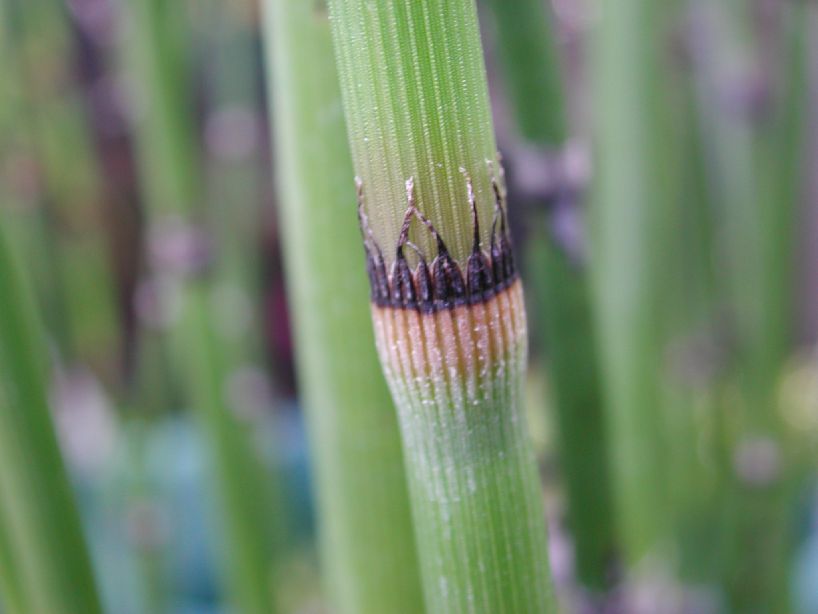
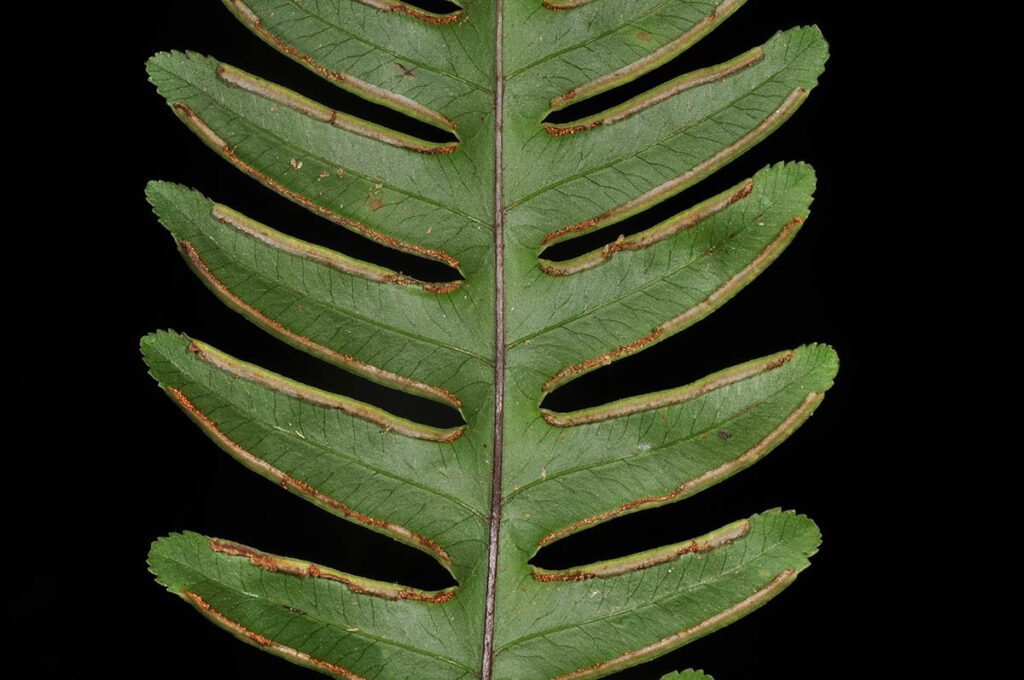
Figure: 4. Different types of leaves in Pteridophyta
Two types of leaves:
- Microphyll- leaf simple with a single unbranched midvein; leaf trace is not associated with leaf gap (Lycopodium, Selaginella).
- Megaphyll- leaf compound with dissected veins; leaf trace always associated with leaf gap (Pteris, Marattia).
- Vascular tissues are present. Xylem is represented by tracheids and lacks vessels. Phloem consists of sieve cells and lacks companion cells. However, in Nephrodium filixmas (L.) Schottand Pteridium aquilinum (L.)Kuhn by Russow (1873), vessels are reported in the xylem.
- Secondary growth does not occur in majority of Pteridophytes as cambium is absent. Isoetes and Botrychium show some unusal secondary growth.
- Nature of stele varies: protostele in Psilotum, Lycopodium and Selaginella; siphonostele in Equisetum, Marsilea and Botrychium; dictyostele in Pteris, Polypodium or polycyclic in Angiopteris, Marattia.
Rep
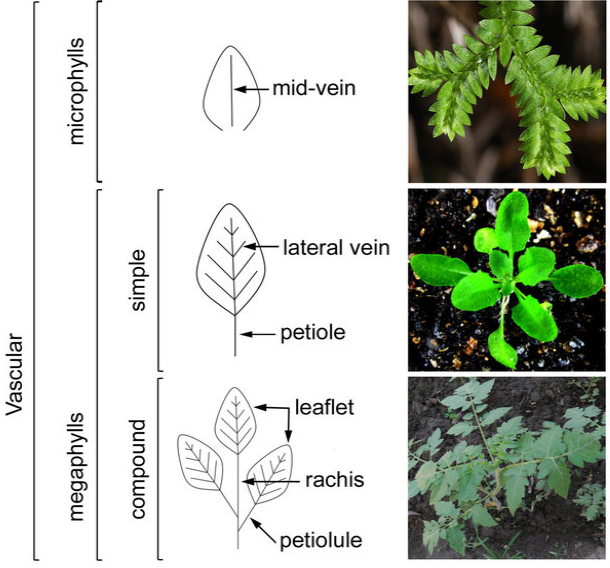
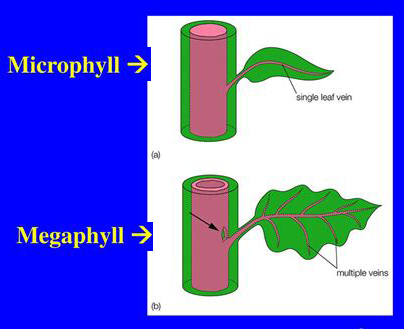
Figure: 5. Difference between microphyll and megaphyll
Reproductive structures:
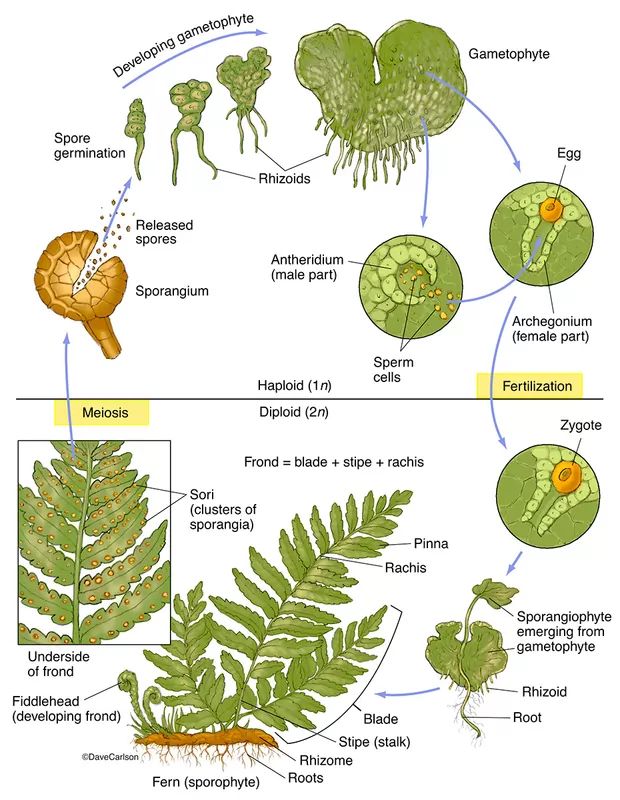
- The sporophytic plant reproduces by means of spores. These spores are produced in sporangia through meiotic division, sporangia borne on stems or leaves or in the axil of leaves.
- The development of sporangium may be of Eusporangiate type: when sporangium develops from a group of sporangial initial cells. Eusporangiate development is primitive found in early pteridophytes (Lycopodiopsida, Sphaenopsida and some ferns). Leptosporangiate type: when development of sporangium occurs from single sporangial initial cell.
- The leaves which bear sporangia are called sporophylls. Sporangia may be clustured to form a cone or strobilus (A strobilus is a structure consisting of sporangia-bearing structures densely aggregated along a stem. Strobili are often called cones, but many botanists restrict the use of the term cone to the strobili of woody seed conifers).
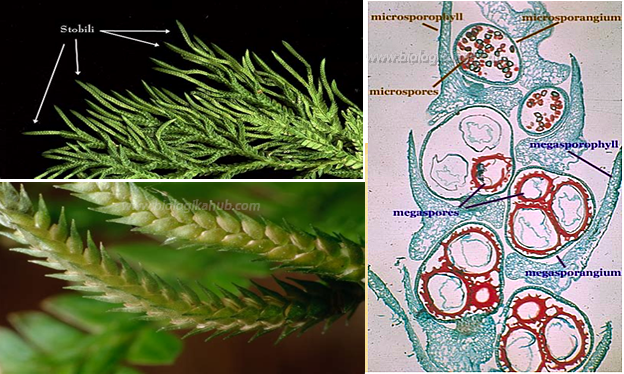
Figure : 6.Strobilus of Selaginella (Heterosporous)
- In ferns, sporangia are aggregated into clusters on the ventral surface of leaf called as sori.
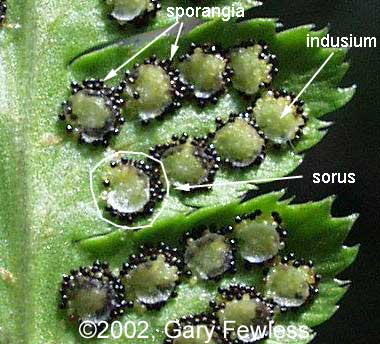
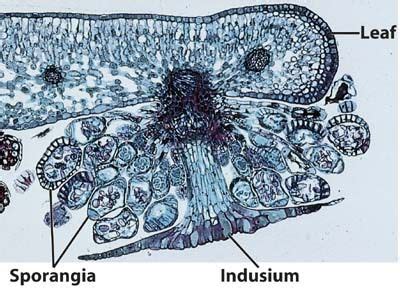
Figure : 7. Sori of Pteridophyta (Cross sectional view of a sorus)
Types of sori:
- Simple sorus: In this type of sorus sporangia appear, grow and mature at same time e.g. Botrychium, Ophioglossum.
- Gradate sorus: In this type central or distal part of the sorus has most mature sporangium and peripheral part has youngest sporangium. They show a gradation of maturity. e.g. Marsilea, Cyathea.
- Mixed sorus: Mature and immature sporangia remain mixed together. e.g. Pteridium, Pteris, Adiantum, Polypodiu. In aquatic ferns e.g. Marselia, Azolla, Salvinia etc. sporangia are produced in a specialized structure called sporocarps.
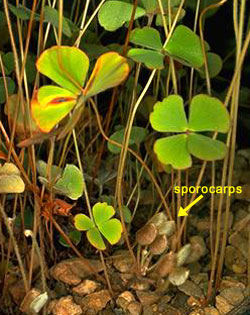
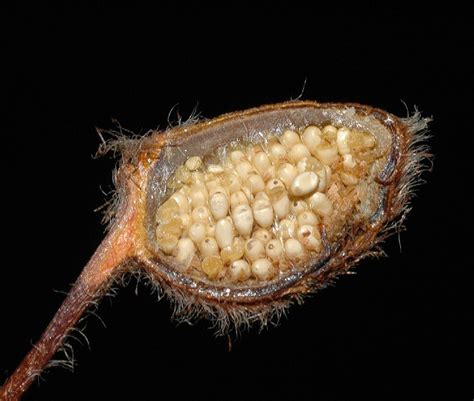
Figure: 8. Sporocarp of Marsilea sp.
- If all the spores produced by a plant by meiosis are alike then the plant is said to be homosporous e.g. Pteris, Dryopteris etc.
- If the spores produced are of two different sizes, then the plant will be said to be heterosporus. E.g. Selaginella, Marselia etc. The smaller spores are called as microspores produced in microsporangia while larger spores are called as megaspores produced in megasporangia.
Gametophytic Plant Body
- Spores on germination give rise to small haploid thalloid or filamentous gametophyte called as prothallus.
- Gametophyte bears sex organs i.e. antheridia and archegonia.
- The gametophyte formed from spore of homosporous plant are monoecious e.g., Pteris, Dryopteris, Lycopodium etc. while in the case of heterosporous plant the small spores form male prothalli which bears only antheridia and large spores form female prothalli which bears only archegonia thus, they are dioecious e.g., Selaginella, Marselia etc.
- Sex organs are multicellular and surrounded by sterile jacket.
- The antheridium develops in between the rhizoids of prothallus on the ventral surface. It is a globose structure which has an outer sterile single layered antheridial jacket surrounding inner cellular mass. Antherozoids formed from the inner cellular mass and are unicellular, uninucleate and spirally coiled with apically attached two flagella. The mature antheridium bursts by rupturing of cap cells in the jacket and antherozoids swim out.
- The archegonium develops below the apical notch of prothallus on ventral surface. It is a flask shaped structure, composed of neck and venter. The neck is made up of 4 vertical rows of neck cells and 2 neck canal cells. Venter is the wide basal part of the archegonium that consists of an egg cell and a ventral canal cell.
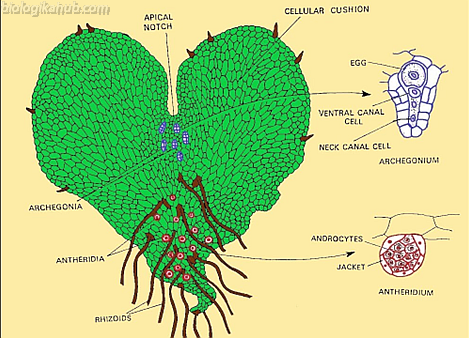
Figure: 9. A monoecious prothallus with both antheridia and archegonia
- Antherozoids are released from antheridia which need water essentially to travel to archegonia. Neck canal cell degenerates before fertilization and forms a mucilaginous substance which attracts antherozoids towards archegonium. After entering the venter, one antherozoid fuses with the egg and fertilization results in formation of zygote.
- The zygote develops into a multicellular embryo after a series of mitotic divisions and embryo develops into sporophyte which depends on gametophyte only during its early stage and later on it becomes an independent plant.
- The embryo remains embedded in the prothallus and develops into young plant bearing root, shoot and leaves. The roots of young sporophyte soon penetrate into the soil and become an independent plant and the gametophyte (prothallus) degenerates.